
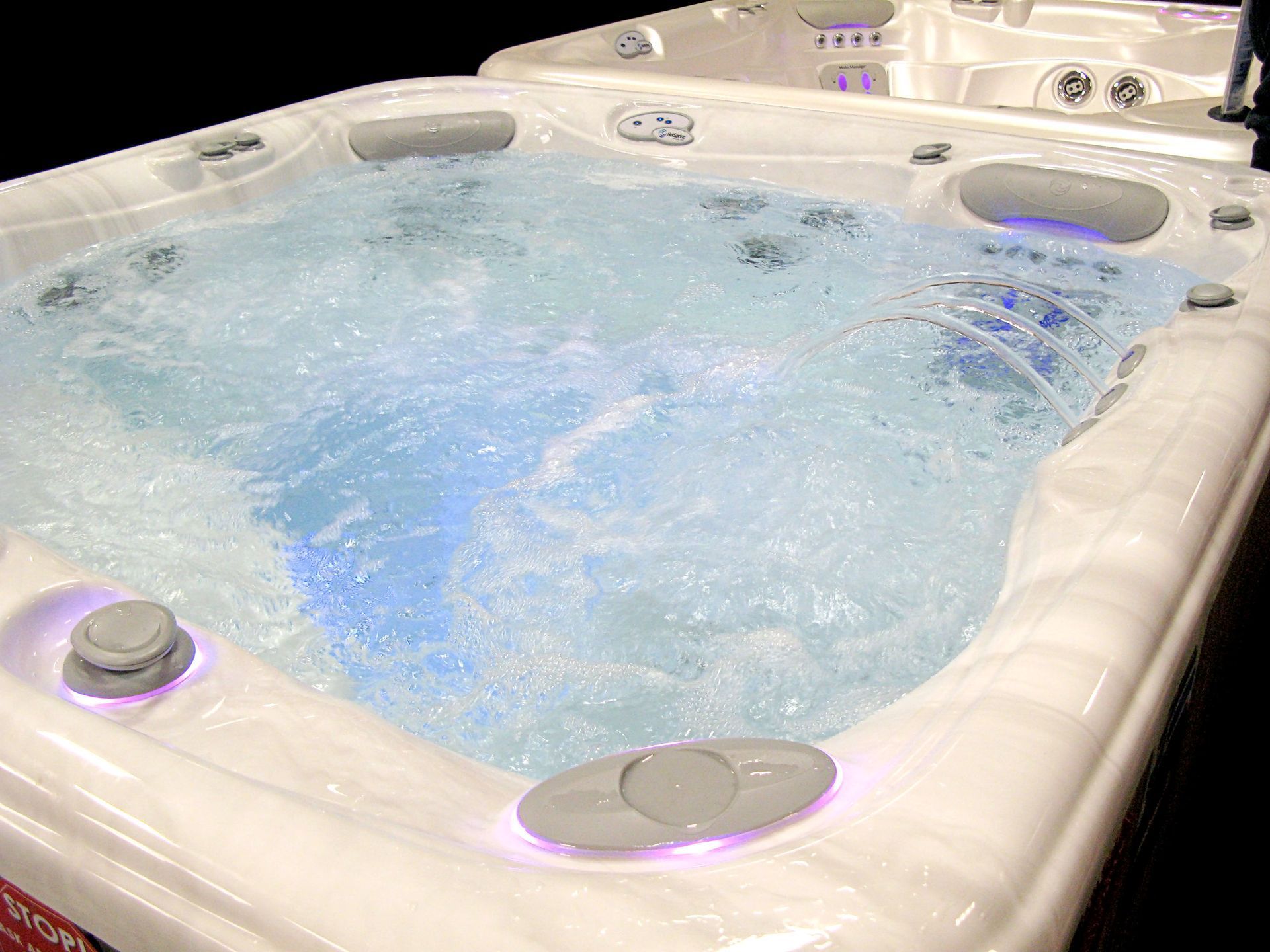
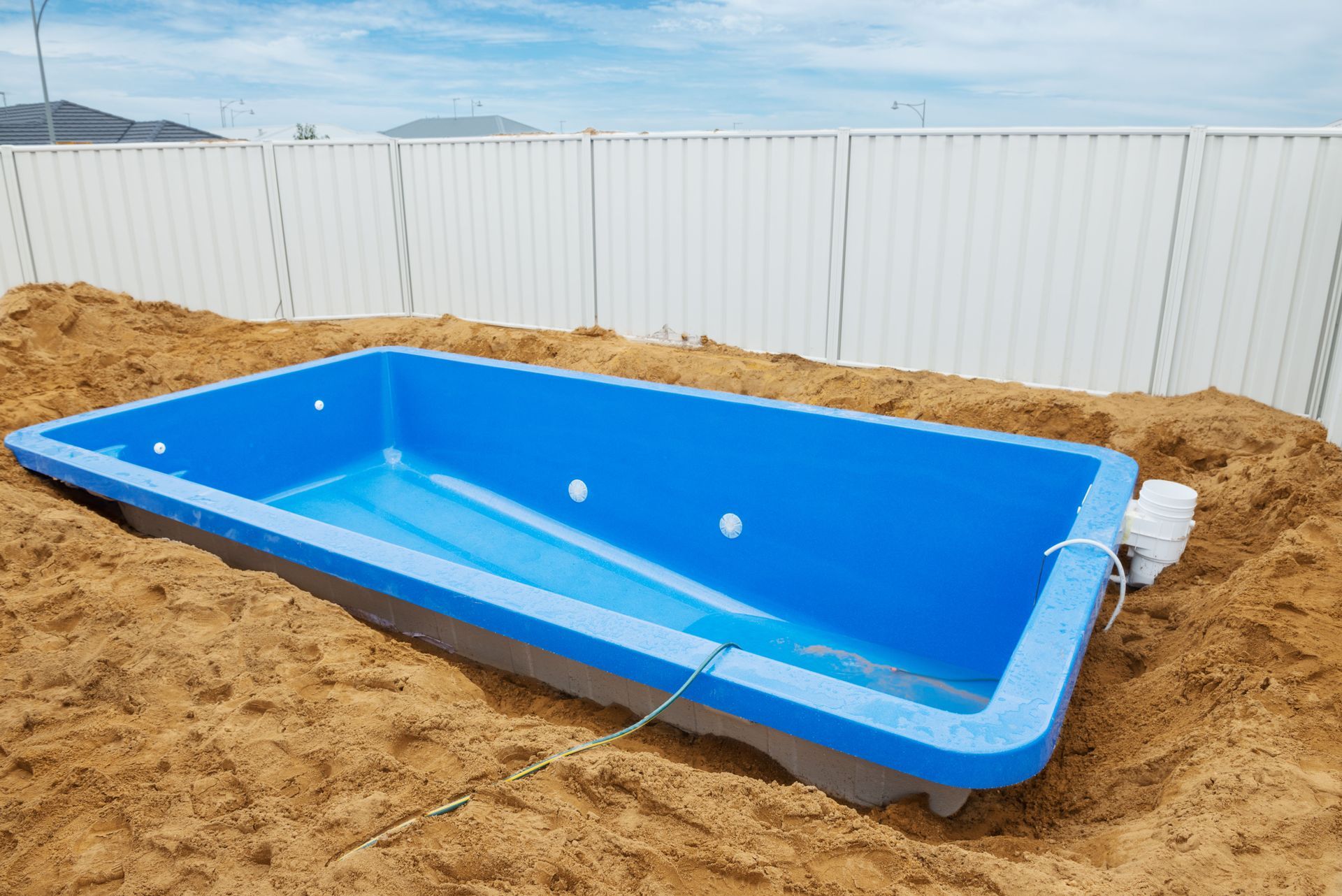
Southern California's year-round warm weather and outdoor lifestyle make it one of the best regions in the country to own a backyard water feature, and for Inland Empire homeowners who want the benefits of a pool and a hot tub without the space, cost, or complexity that each requires individually, a swim spa is one of the most compelling and most practical solutions available in the current market. These versatile units combine the resistance swimming capability of a lap pool with the hydrotherapy benefits of a hot tub in a single, compact installation that fits into backyards where a traditional pool simply could not — and they do it at a fraction of the ongoing maintenance cost that a full-size pool demands from its owners throughout the year. The growing popularity of this product category among Riverside County and Los Angeles area homeowners reflects a broader recognition that this type of unit delivers genuine, daily-use value that exceeds the lifestyle expectations most buyers bring to the purchase. This overview covers the eight most meaningful benefits that ownership of one of these units consistently delivers to the families who make this investment. 1. Enjoying Precise Temperature Control for Every Use Occasion According to Healthline, the water in a hot tub should be a maximum of 104 degrees Fahrenheit, and the ability to precisely control the water temperature throughout the full range of beneficial therapeutic temperatures is one of the most practically significant features of a well-designed hot tub that distinguishes it from both unheated pools and less controllable hot water alternatives. A hot tub that allows the owner to set and maintain the water temperature at the precise level appropriate for their intended use — whether cooler for vigorous exercise or warmer for therapeutic soaking and muscle recovery — gives the family a single unit that truly serves every member's needs across every season of California's mild but variable climate. Understanding that temperature control is not a secondary feature but a central performance characteristic that determines how versatile and how beneficial the unit can actually be gives prospective buyers the most complete picture of what they are investing in when they choose a quality spa. 2. Building a Genuine Fitness Routine Without Leaving Home A swim spa provides the aerobic exercise opportunity of a full swimming pool in a fraction of the footprint, using a powerful water current generated by the unit's propulsion system to create the resistance that allows the swimmer to swim continuously in place without the need for turns, lane ropes, or the large volume of water that a traditional lap pool requires. The hot tub converts the outdoor area of the home into a genuine fitness facility that supports consistent cardiovascular and strength training without a gym membership, commuting time, or the scheduling constraints that shared fitness facilities impose on users who want to exercise on their own timetable. Corona and Riverside area homeowners who have made exercise more consistent after installing a hot tub consistently describe the accessibility of having a resistance swimming system available in the backyard as the single most impactful change in their fitness routine since adopting the unit. 3. Accessing Targeted Hydrotherapy for Muscle Recovery and Joint Health The hydrotherapy and soaking benefits of warm water immersion are among the most medically documented and most broadly applicable wellness benefits available from a backyard water feature, and a swim spa that delivers high-quality jet therapy alongside its swimming capability gives the owner a therapeutic tool that supports muscle recovery, joint mobility, stress reduction, and sleep quality in ways that are both immediately felt and broadly supported for a wide range of conditions that affect active adults and aging family members. A spa's jets can be directed at specific muscle groups and joints, allowing for targeted hydrotherapy that addresses the specific physical demands that each family member's daily activity and physical condition create, rather than providing a generic warm soak without the therapeutic precision that quality jet placement and water flow design produce in a purpose-built unit. The combination of exercise capability and post-exercise hydrotherapy in a single unit makes a spa uniquely positioned among backyard investments to address the complete arc of physical wellness from active exertion through active recovery in the same session. 4. Making the Most of a Smaller Backyard Without Sacrificing Amenities The space efficiency of a swim spa compared to a traditional in-ground pool is one of the most financially and practically significant advantages for Inland Empire homeowners who want aquatic amenities in a backyard that cannot accommodate the footprint of a full-size pool or who want to maximize the usable outdoor space that remains beyond the water feature itself. A hot tub occupies a fraction of the square footage that a traditional pool requires, leaving the majority of the backyard available for other uses including outdoor dining areas, seating and entertaining spaces, landscaping, and the play areas that families with children consistently prioritize in their outdoor living vision. The installation flexibility that a hot tub's compact footprint provides also makes it accessible to homeowners whose lot configuration, HOA restrictions, or local permitting environment would make a traditional pool impractical or impossible to install regardless of the budget available for the project. 5. Using the Investment Every Month of the California Year The year-round usability of a swim spa in the Inland Empire's climate gives the owner a return on their investment across every month of the calendar rather than the seasonal window that limits the practical use of an unheated pool in the region's cooler fall and winter months. A spa with precise temperature control allows the family to set the water to the ideal temperature for cold-weather soaking during the cooler months while maintaining a refreshingly cooler exercise temperature during the peak of the Southern California summer, giving the unit genuine multi-season utility that makes the investment more financially justifiable per day of actual use than a traditional pool. Corona and Riverside area homeowners consistently describe year-round usability as the benefit that most exceeded their pre-purchase expectations, particularly among those who underestimated how much they would use the unit during the cooler months before they had personal experience with the comfort of warm water immersion on a cool winter evening. 6. Creating a Backyard Destination for Family and Entertainment The social and entertainment value of a swim spa gives the family a backyard gathering destination that functions as both an entertainment amenity and a wellness feature simultaneously, allowing the unit to serve as the centerpiece of evening entertaining, family weekend activities, and the kind of daily outdoor use that a traditional hot tub-only installation supports but that a full-size pool delivers at a scale that many Corona and Riverside backyards simply cannot accommodate. A spa gives hosting households the ability to offer guests both the social soaking experience of a hot tub and the novelty of the swim current, making it a more engaging and more differentiated entertainment feature than either a pool or a hot tub alone would provide at the same installation footprint. The investment in a spa thus delivers value across the full spectrum of social, fitness, therapeutic, and entertainment use that the household's backyard is expected to support throughout the Southern California outdoor lifestyle that Inland Empire families consistently prioritize. The combination of fitness, therapy, entertainment, and year-round outdoor living value that this type of unit delivers makes it one of the most comprehensive and most consistently satisfying backyard investments available to Southern California homeowners who want to make meaningful daily use of their outdoor space rather than maintaining a feature that is only occasionally used or seasonally relevant. Spa Max has proudly served homeowners throughout Corona, Riverside, Los Angeles, Orange County, San Diego County, and the broader Inland Empire since 2010, and the team's over 30 years of combined industry experience, commitment to a no-pressure showroom environment, and range of new and used options at flexible price points make it the region's most accessible and most trusted destination for anyone ready to invest in a swim spa . For more information, contact us today!
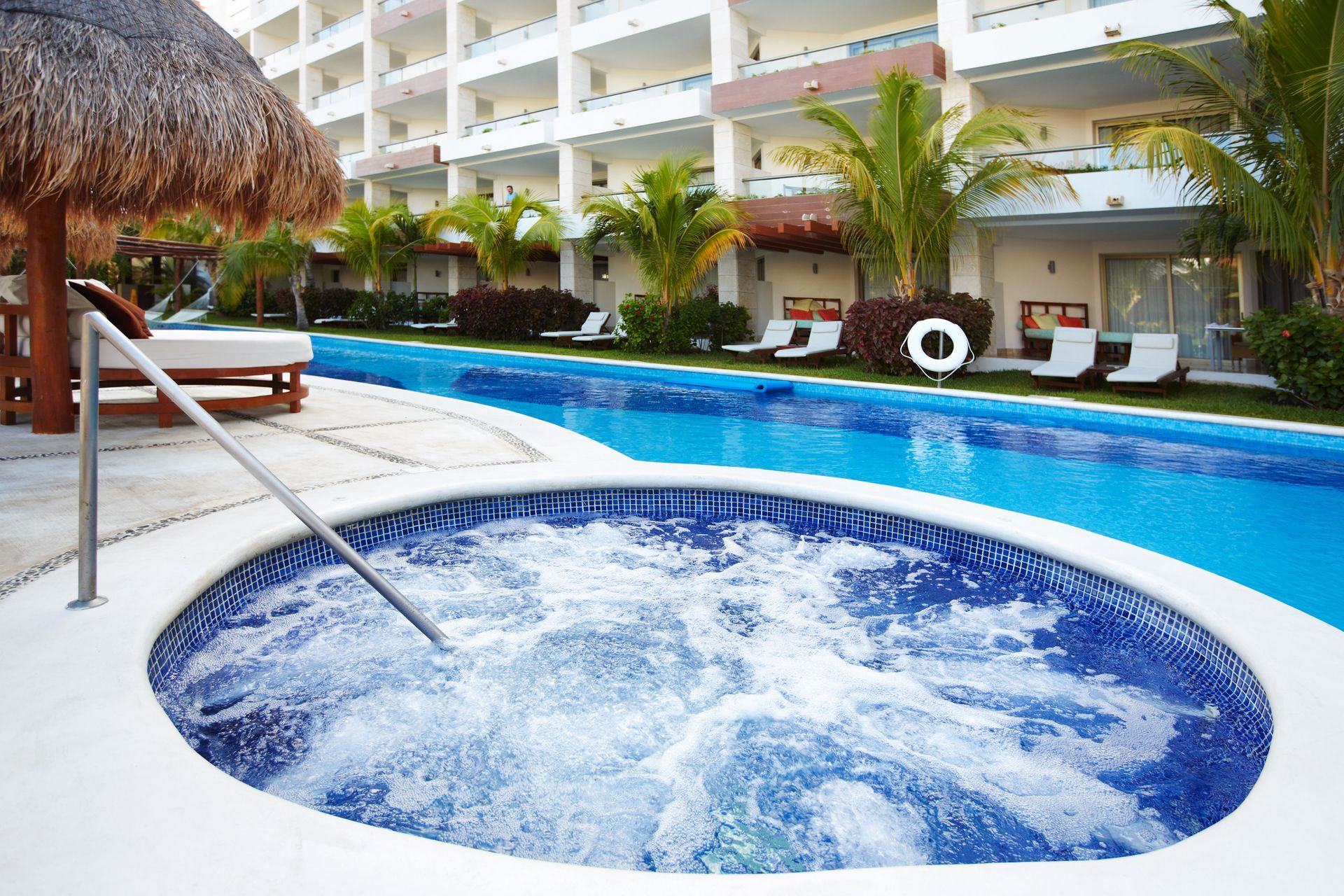
Discover how Cal Spas can enhance your backyard relaxation space, creating a comfortable retreat for unwinding, entertaining, and enjoying time outdoors.
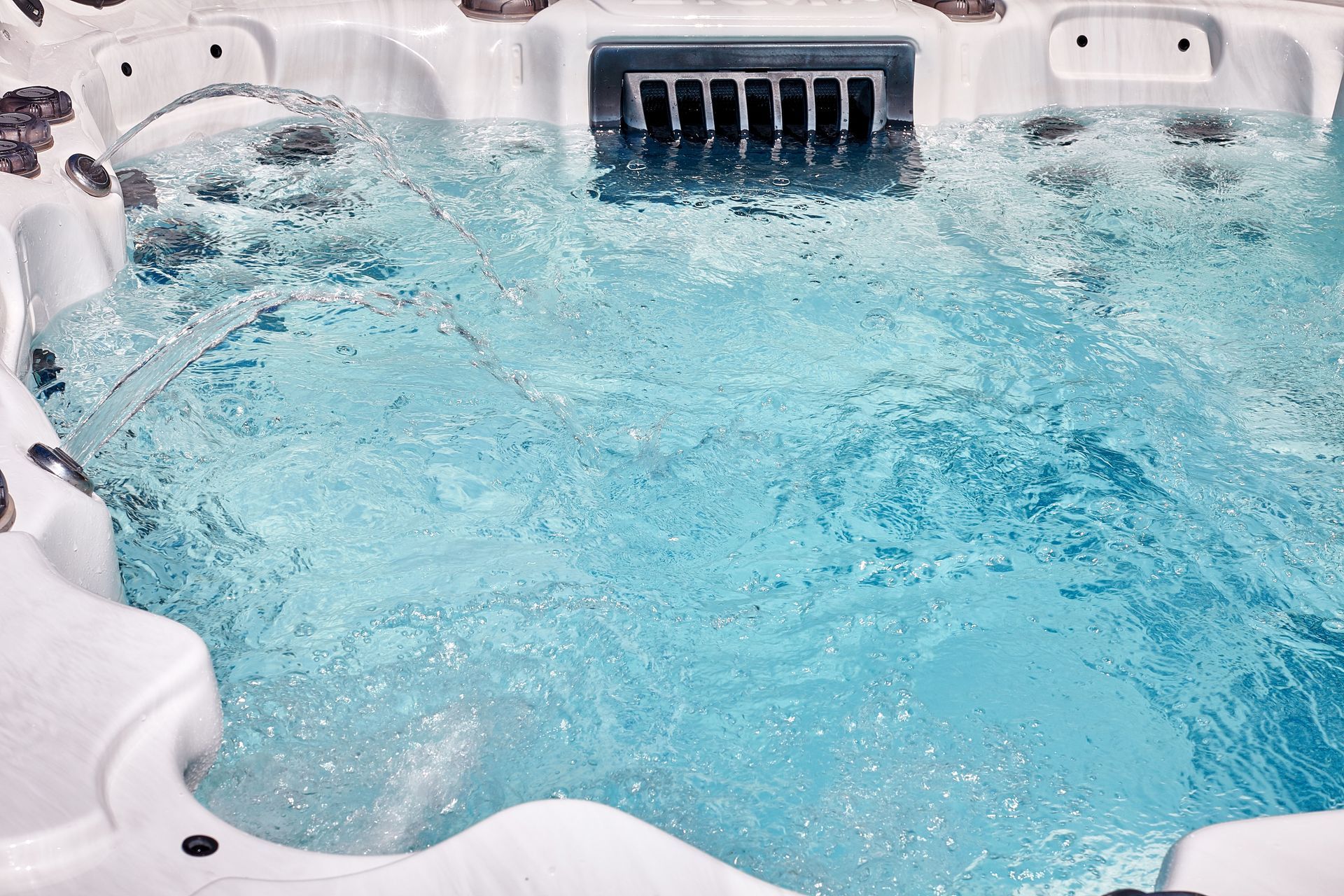
Elevate your outdoor living space into a personal retreat. Many homeowners choose cal spas because of their reputation for combining comfort and innovation.